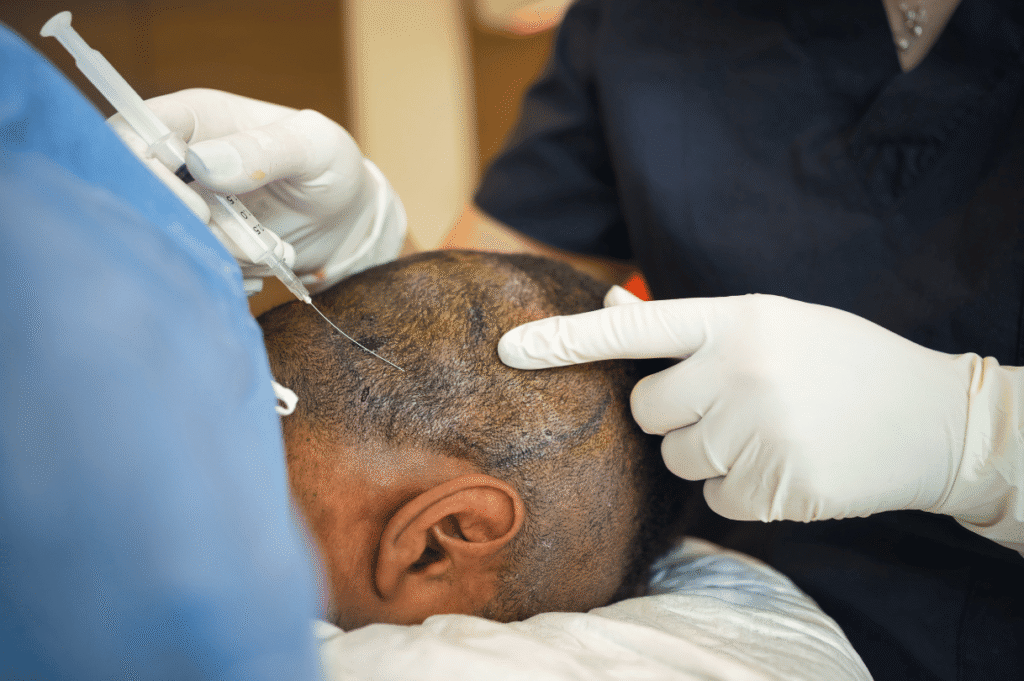
Unveiling the Long-Term Impact: A Decade After Hair Transplants
The process of hair transplantation may seem daunting and intricate, but in reality, these procedures are quite common.
Not sure if this treatment is right for you? Ask Dr. Zain Latif’s team.
This guide will offer you a deep-dive look into the journey that spans from immediate post-operative care, through the years of transformation, to the long-term outcomes you can expect ten years down the line.
Managing Hair Transplant Discomfort. Read More?
What Can You Expect Immediately After a Hair Transplant?
Just like any other surgical procedure, a hair transplant also comes with its immediate after-effects.
Right off the bat, you might feel some tenderness in your scalp. To manage this, you could be prescribed certain pain medications, as well as drugs to curb inflammation. Antibiotics might also be a part of your post-op care, to prevent any potential infection.
It’s important to note that your head will likely be bandaged for a couple of days following the procedure. And don’t be startled if you see some newly transplanted hair already present. Though it may be a relief to see some hair growth, remember that it’s completely normal if some of this hair sheds shortly after.
The key here is patience and proper care. Hair transplant is not an instant solution but a process that requires time to show the desired results. So, as you embark on this journey to reclaim your hair, remember, each step, each day is progress in the right direction.

The Transformation in the First Year:
Don’t panic when the transplanted hair begins to fall out in the first few months. It’s a part of the process. This phase is simply making way for new growth.
Within three to four months post-surgery, you’ll begin to notice this new growth – a sign that your patience and care is paying off.
By the time you hit the six-month milestone, you should witness considerable growth, making all those previous anxieties a thing of the past.
The last half of the first year is an exciting phase where the newly grown hair starts to thicken, enhancing the overall density and appearance of your hair. During this period, continue with your prescribed care routine and be gentle with your new hair.
Patience and persistence are vital during this transformative first year. Your progress during this time lays the groundwork for the years to come, setting you up for a lifetime of fuller, thicker hair. Remember, your journey to regaining your hair is a marathon, not a sprint.

Progress in the Following Years:
As you cross the one-year mark post-transplant, you’ll notice the hair becoming denser and thicker.
This period is particularly gratifying as the donor sites – the areas from which hair was harvested for the transplant – start to regenerate. This hair growth is just as natural and normal as the rest of your hair, seamlessly blending into your scalp.
The following years are a testament to the success of your hair transplant, characterized by the strengthening and maturing of your hair follicles. Each strand grows stronger, healthier, and more resilient, rewarding you with a fuller, more youthful head of hair.
How Will Your Hair Look a Decade Later?
Fast forward to ten years post-transplant and the hair you see in the mirror is the permanent result of your decision to undergo the procedure.
The hair follicles that were transplanted have now firmly taken root and they continue to produce hair naturally. This isn’t just any hair, it’s hair that is thicker, more robust, and voluminous than it was prior to the transplant. The thinning, sparse areas that once dotted your scalp have now given way to a healthy, fuller head of hair.
It’s important to remember, even though a decade has passed, the health and longevity of your transplanted hair still depend on your commitment to care and maintenance. Your hair, just like the rest of your body, reflects your overall health. Therefore, a healthy lifestyle and good hair care practices will help you to continue enjoying the results of your transplant for years to come.

Will the Transplanted Hair Turn Grey?
The color changes of your transplanted hair will mirror those of your original hair. If you’ve noticed a trend of greying in your original hair, expect the transplanted locks to follow suit.
Essentially, the new hair maintains the characteristics of the donor hair. Hence, if greying was part of your hair’s natural progression before the transplant, it will continue post-procedure at a similar pace. It’s a normal part of the aging process and something to be embraced.
After all, a full head of grey hair beats baldness any day, right?
What Are the Potential Side Effects?
Just as with any surgical procedure, hair transplants do come with their set of potential side effects. It’s worth being aware of these so you know what to look out for.
There might be instances of infection or bleeding post-procedure. It’s also possible to experience some scarring, which is usually temporary.
On rare occasions, you might notice unnatural-looking new hair growth or even the loss of some of the transplanted hair.
It’s key to remember though that these side effects are usually manageable and only temporary.
If any of these occur, contact your doctor right away to address these issues promptly. As always, adhering to your post-op care routine can significantly minimize the risk of these side effects. So, while these are potential scenarios, the chances of experiencing them can be significantly reduced with proper care and by following your doctor’s advice.
Maintaining Your Transplanted Hair:
Nurturing your new hair is paramount. Make sure your scalp stays clean and resist the urge to scratch or pick at it, as this can disrupt the healing process.
Equally important is refraining from pulling or tugging on your hair, as the follicles are still adjusting and becoming strong.
Emphasize a nutrient-rich diet in your everyday life to foster healthy hair growth. Be selective in your choice of hair care products, opting for mild, natural ingredients that are beneficial to hair health.
Remember, you’ve made a substantial investment in your appearance and self-confidence – taking excellent care of your new, fuller hair is the key to safeguarding this investment for years to come.
At the end, this journey isn’t merely about regrowth but also about restoration – the restoration of your confidence and self-image. This period marks a significant milestone in that journey. Each day is a step closer to the best version of yourself – a version that exudes self-assurance and charisma. Just remember, maintaining the health of your new hair is essential. Continue with the prescribed care routine and enjoy the transformative results of your hair transplant.
Ready to talk to a doctor about it?
Book on WhatsApp