
Body PRP Therapy
Body PRP therapy, also known as Platelet Rich Plasma therapy, is a regenerative treatment that uses a patient’s own blood to stimulate healing and growth in damaged tissues. The therapy involves extracting a small amount of the patient’s blood, processing it to concentrate the platelets, and then injecting it back into the patient’s body at the site of the injury or damage.
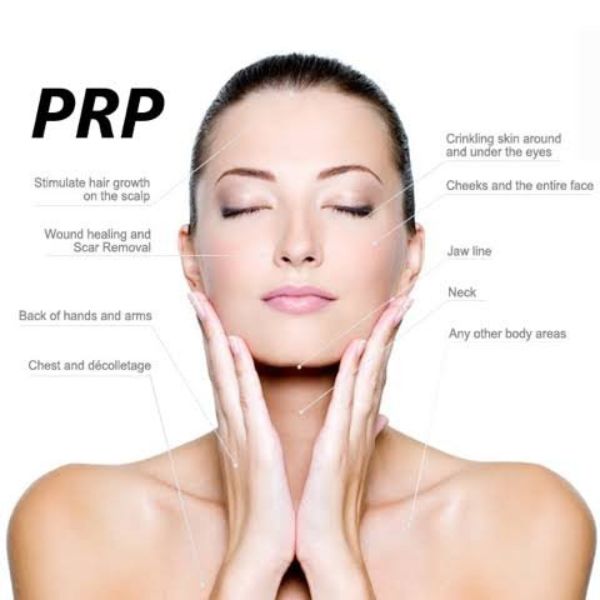
Platelets are blood cells that contain growth factors and other proteins that play a key role in healing and tissue regeneration. When platelets are concentrated through the PRP process, they can be used to enhance the body’s natural healing response.
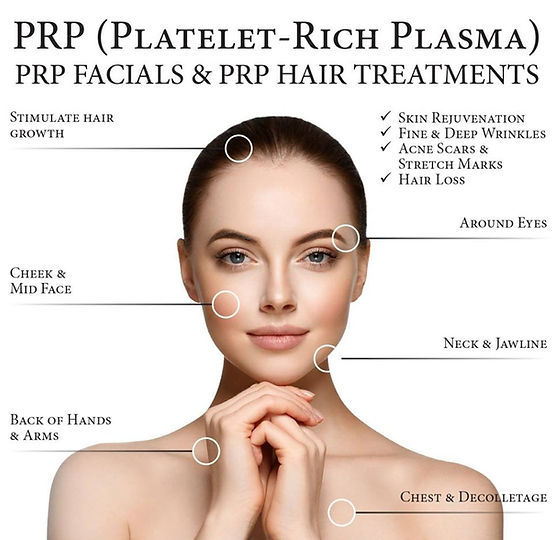
The process of Body PRP therapy typically involves the following steps:
-
Blood draw: A small amount of the patient’s blood is drawn, usually from the arm.
-
Processing: The blood is processed in a centrifuge machine to separate the platelets from other blood components.
-
Injection: The concentrated platelets are then injected back into the patient’s body at the site of the injury or damage.
Body PRP therapy has been used to treat a wide range of conditions, including:
-
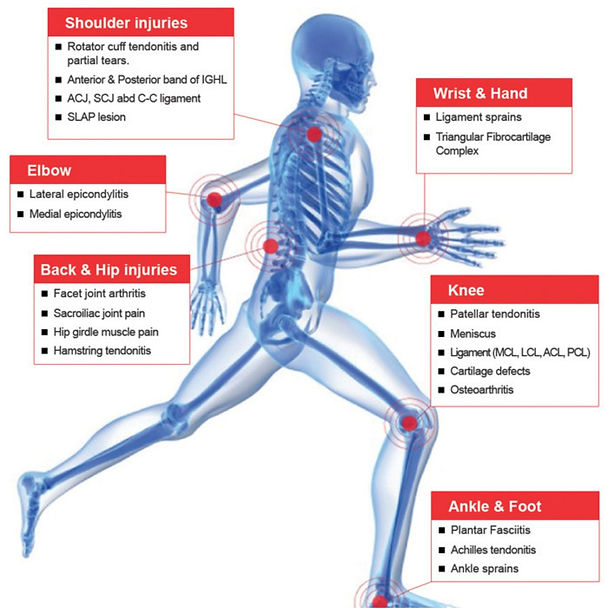
Joint pain: PRP injections have been shown to reduce pain and improve function in patients with osteoarthritis, tendinitis, and other joint disorders.
-
Sports injuries: PRP therapy has been used to treat a variety of sports-related injuries, including sprains, strains, and tears.
-
Skin rejuvenation: PRP therapy can also be used to improve the appearance of skin by stimulating collagen production and enhancing skin elasticity.
-
Hair loss: PRP therapy has been used to stimulate hair growth and reduce hair loss in patients with androgenetic alopecia (male or female pattern baldness).
.jpg)
Benefits of Body PRP therapy
The benefits of Body PRP therapy include:
Not sure if this treatment is right for you? Ask Dr. Zain Latif’s team.
Free assessment on WhatsApp-
Reduced pain: PRP injections can reduce pain and inflammation in damaged tissues.
-
Faster healing: PRP therapy can speed up the body’s natural healing process and promote tissue regeneration.
-
Non-surgical: PRP therapy is a minimally invasive procedure that can be performed in a doctor’s office.
-
Safe: Because the treatment uses the patient’s own blood, there is little risk of an allergic reaction or other adverse side effects.
While Body PRP therapy has been shown to be effective in many cases, it may not be suitable for everyone. Patients with certain medical conditions or who are taking certain medications may not be good candidates for the treatment. It is important to consult with a qualified healthcare provider to determine if Body PRP therapy is right for you.
Body PRP (Platelet-Rich Plasma) therapy is a medical treatment that involves using a patient’s own blood plasma, which is enriched with platelets, to stimulate healing and tissue regeneration. Here are some potential benefits of body PRP therapy:
-
Accelerated healing: PRP contains growth factors that can speed up the healing process and help repair damaged tissues, such as muscles, tendons, and ligaments.
-
Reduced inflammation: PRP therapy may reduce inflammation and pain in injured or damaged tissues, leading to a quicker recovery.
-
Non-surgical treatment option: PRP therapy is a minimally invasive treatment that can be used to treat a variety of conditions without the need for surgery.
-
Long-lasting results: Because PRP therapy stimulates tissue regeneration, the results can be long-lasting and provide a more permanent solution than other treatments.
-
Safe and natural: PRP therapy uses a patient’s own blood, reducing the risk of allergic reactions or infections, and is considered a safe and natural treatment option.
Overall, body PRP therapy has the potential to provide a range of benefits for patients with various conditions, including chronic pain, injuries, and osteoarthritis. However, it’s important to consult with a healthcare professional to determine whether PRP therapy is the right treatment option for your specific needs.
Safety Considerations for Body PRP Therapy
Body PRP (Platelet-Rich Plasma) therapy is generally considered safe, but there are some safety considerations to keep in mind:
-
Infection risk: As with any injection or medical procedure, there is a risk of infection. To minimize this risk, it’s important to choose a qualified and experienced healthcare professional and to follow all post-treatment care instructions carefully.
-
Allergic reactions: Some patients may be allergic to components of the PRP solution, such as anticoagulants used during the preparation process. It’s important to inform your healthcare provider of any allergies you may have before undergoing PRP therapy.
-
Pain or discomfort: While PRP therapy is a minimally invasive procedure, some patients may experience pain or discomfort at the injection site or in the treated area. Your healthcare provider may recommend pain medication or other strategies to manage any discomfort.
-
Lack of regulation: PRP therapy is not regulated by the FDA, meaning that the safety and effectiveness of PRP treatments may vary depending on the provider and the specific treatment being used. It’s important to choose a healthcare provider who is experienced in PRP therapy and who follows best practices for safety and quality.
-
Potential complications: Although rare, there is a risk of complications with PRP therapy, including nerve damage, blood vessel injury, or tissue damage. Your healthcare provider can discuss these risks with you and help you make an informed decision about whether PRP therapy is right for you.
Recovery Time for Body PRP Therapy
The recovery time for body PRP (Platelet-Rich Plasma) therapy can vary depending on the specific treatment and the patient’s individual needs and health status. However, in general, recovery time for PRP therapy is relatively short compared to surgical procedures.
After PRP therapy, it’s common for patients to experience some mild pain or discomfort at the injection site, as well as swelling or bruising. However, these symptoms usually subside within a few days to a week. Your healthcare provider may recommend pain medication or other strategies to manage any discomfort.
Patients are typically advised to avoid any strenuous activities or exercises for a few days after the procedure to allow the treated area to heal. However, most patients are able to resume their normal activities within a week or two.
It’s important to follow all post-treatment care instructions carefully to promote optimal healing and minimize the risk of complications. Your healthcare provider can provide specific guidance on recovery time and when it is safe to resume specific activities based on your individual needs and the specific PRP therapy you receive.
Aftercare for Body PRP Therapy
Aftercare is an important part of the recovery process after body PRP (Platelet-Rich Plasma) therapy. Here are some general aftercare guidelines that your healthcare provider may recommend:
-
Rest and activity modification: It’s important to avoid any strenuous activities or exercises for a few days after the procedure to allow the treated area to heal. Your healthcare provider may recommend specific activity modifications based on the specific treatment you receive and your individual needs.
-
Pain management: It’s common to experience some mild pain or discomfort at the injection site after PRP therapy. Your healthcare provider may recommend pain medication or other strategies to manage any discomfort.
-
Ice therapy: Applying ice to the treated area can help reduce swelling and discomfort. Your healthcare provider may recommend using ice packs for short periods of time, several times a day.
-
Avoiding certain medications: Some medications, such as aspirin and nonsteroidal anti-inflammatory drugs (NSAIDs), can increase the risk of bleeding and may be contraindicated after PRP therapy. Your healthcare provider may recommend avoiding these medications for a period of time after the procedure.
-
Follow-up appointments: Your healthcare provider may recommend follow-up appointments to monitor your progress and assess the effectiveness of the treatment. They may also recommend additional PRP treatments or other therapies as part of a comprehensive treatment plan.
Overall, body PRP therapy has the potential to provide a range of benefits for patients with various conditions, including chronic pain, injuries, and osteoarthritis. However, it’s important to consult with a healthcare professional to determine whether PRP therapy is the right treatment option for your specific needs.
start protecting your skin today !
Suit M-02 and M-04 Mezzanine Floor, Mona Garden Situated at Main Shaheed e Millat Road, Karachi.
Make an Appointment
 03263053351
 02134551662
Ready to talk to a doctor about it?
Book on WhatsApp