Melasma Treatment
What is Melasma?
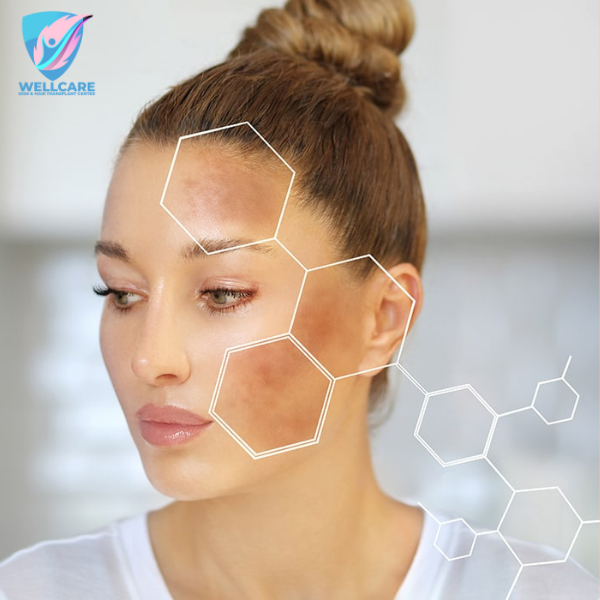
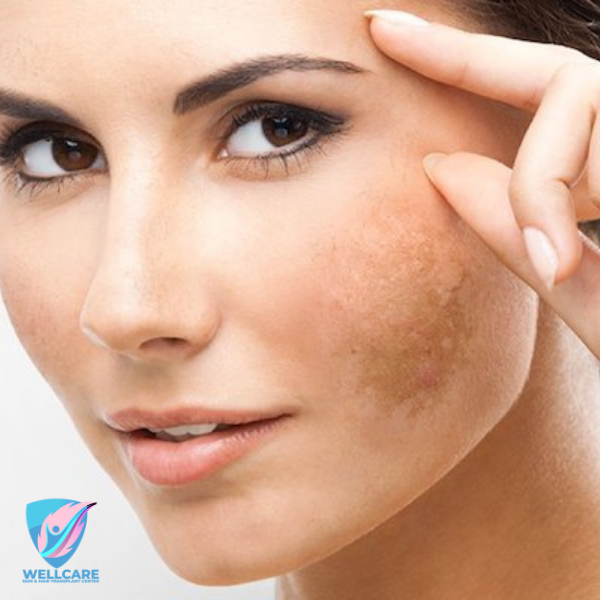
Melasma is a common skin condition that causes dark patches to appear on the face, particularly on the cheeks, forehead, nose, and upper lip. While the exact cause of melasma is unknown, it is believed to be triggered by hormonal changes, exposure to the sun’s UV rays, and genetics. The condition is most commonly seen in women and can be exacerbated by pregnancy, birth control pills, and hormone replacement therapy.
Topical Creams for Melasma Treatment
There are several treatment options available for melasma, including topical creams, chemical peels, and laser therapy. Topical creams containing ingredients like hydroquinone, tretinoin, and corticosteroids are often used as a first-line treatment. These creams work by inhibiting the production of melanin, the pigment that causes the dark patches. However, they can have side effects like irritation, dryness, and redness.
Chemical Peels for Melasma Treatment
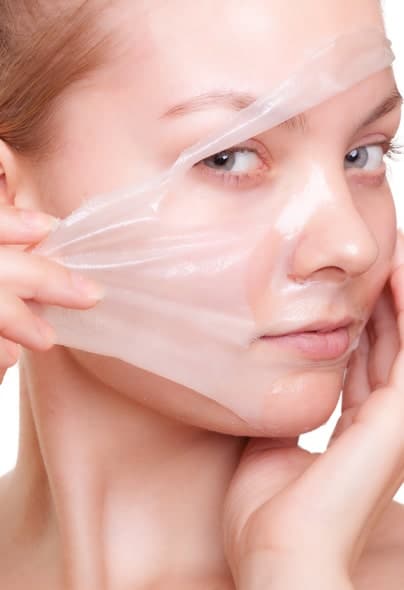
Chemical peels involve applying a chemical solution to the skin, which causes the top layer to peel off, revealing smoother, more evenly toned skin underneath. Peels containing ingredients like glycolic acid, salicylic acid, and lactic acid can be effective for treating melasma, but they may also cause temporary redness, peeling, and sensitivity to sunlight.
Laser Therapy for Melasma Treatment
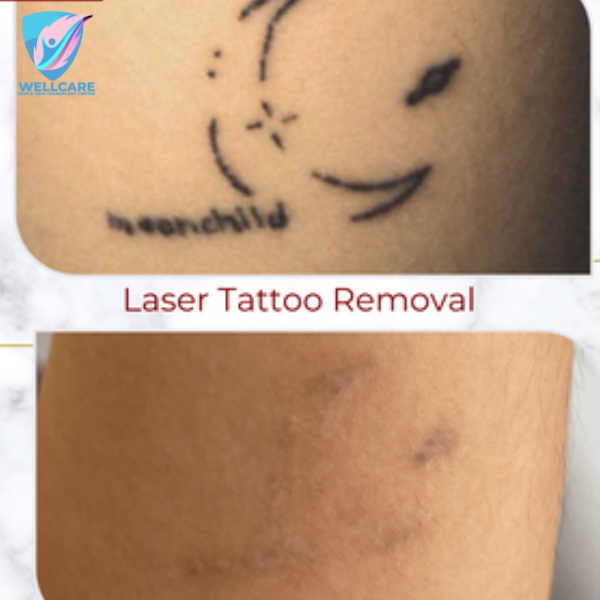
Laser therapy involves using a focused beam of light to break up the melanin in the skin, resulting in a more even skin tone. This option is generally reserved for severe cases of melasma, as it can be expensive and may require multiple sessions to see results. Additionally, it can cause temporary redness and swelling.
Sun Protection for Melasma Prevention
Regardless of the treatment option chosen, it is important to protect the skin from further damage by using a broad-spectrum sunscreen with an SPF of at least 30 and avoiding prolonged sun exposure. It may also be helpful to avoid certain triggers like hormonal changes, certain medications, and harsh skin care products. A dermatologist can recommend the best treatment plan for each individual based on the severity and underlying causes of their melasma.
In addition to medical treatments, there are also some natural remedies that may help improve the appearance of melasma. These include applying lemon juice, aloe vera gel, or a mixture of honey and turmeric to the affected areas. However, it is important to note that natural remedies may not be as effective as medical treatments and may even cause further skin irritation in some cases. Therefore, it is recommended to consult with a dermatologist before trying any new treatments.
Potential Risks and Side Effects of Melasma Treatments
While melasma treatments can be effective, they may also carry some risks and side effects. For example, topical creams containing hydroquinone have been associated with skin irritation, redness, and a condition called exogenous ochronosis, which causes dark spots and discoloration. Chemical peels and laser therapy can also cause temporary redness, swelling, and sensitivity to sunlight. It is important to discuss the potential risks and side effects with a dermatologist before beginning any treatment.