Is a Hair Transplant Right for You? Here’s Everything You Need to Know
Millions of people around the world are affected by hair loss, and for many, a hair transplant seems like a promising solution.
Not sure if this treatment is right for you? Ask Dr. Zain Latif’s team.
However, before making such a big decision, it’s important to understand what a hair transplant entails and whether it is the right option for you.
Assessing Your Eligibility for Hair Transplant:
While hair transplants generally have a high success rate, individual results can vary. The following factors must be considered:
- Cause of Your Hair Loss: Identifying the root cause of hair loss is the initial and essential step. Factors such as genetics, stress, disease, medication side effects, or poor diet could all contribute. Specific types of hair loss respond well to hair transplant treatment, while others do not. For instance, individuals with male or female pattern baldness are often good candidates.
- The Skill and Experience of the Surgeon: Hair transplant is a sophisticated procedure requiring both artistry and precision. The skill, experience, and credibility of the surgeon plays a pivotal role in determining the success of the treatment. Consider their years of practice, reputation, testimonials from previous patients, and their portfolio of work.
- Quality and Quantity of the Donor Hair: The success of a hair transplant procedure is highly dependent on the quality and quantity of your donor hair. The hair should be dense enough to cover bald spots, and also have the ability to grow in the transplanted areas. An ideal candidate has good hair growth at the back and sides of their head, which can be used as donor sites.
- Ability to Follow Post-operative Instructions: The recovery phase plays a crucial role in ensuring the desired outcome. Candidates must strictly adhere to the aftercare instructions provided by the surgeon to promote successful hair growth and minimize risks of infection or complications. This may include restrictions on certain activities, maintaining hygiene, and adhering to the prescribed medication regime.
- Your Overall Health and Medical History: Before you undergo a hair transplant, a thorough medical examination is required. Candidates with certain medical conditions or history such as blood clotting disorders, skin issues, or infectious diseases may not be ideal candidates for this procedure. Additionally, certain lifestyle factors like smoking or heavy drinking could affect your body’s ability to heal post-operation.
However, Consulting with a qualified hair restoration specialist will help you determine the most suitable course of action based on your specific case and desired outcomes.


Considering the Cost and Time Commitment For Hair Transplant:
When considering a hair transplant, it’s important to take into account the cost and time commitment associated with the procedure.
While a hair transplant can provide life-changing results, it’s essential to understand the financial and time implications involved.
Hair transplants can be expensive, and the cost can vary depending on factors such as the extent of your hair loss and the number of grafts required. It’s important to research different clinics and compare prices to ensure you are getting the best value for your money.
Remember, while cost is a consideration, it should not be the sole determining factor when choosing a surgeon. The expertise and experience of the surgeon should also be taken into account.
In addition to cost, a hair transplant can also be a time-consuming process. Multiple sessions spread over several months may be required to achieve optimal results.
This means committing to follow-up appointments and allowing time for healing between sessions. It’s important to factor in these time commitments and ensure that you can accommodate them in your schedule.
The decision to undergo a hair transplant should not be taken lightly. Considering the cost and time commitment involved will help you make an informed decision and determine if a hair transplant is the right choice for you.
Remember, the goal is to achieve the best possible results while ensuring your financial and personal well-being.

Exploring Alternatives to Hair Transplant:
If you’re not ready to commit to a hair transplant or if you’re looking for alternative solutions to hair loss, you’re in luck. There are several options available that can help you address your hair concerns without undergoing surgery.
- To consider is medication. There are Drug Regulatory Authority of Pakistan-approved medications, such as minoxidil and finasteride, that can help slow down or even stop hair loss in some cases. These medications work by either stimulating hair growth or blocking the hormone responsible for hair loss. However, it’s important to note that medication may not work for everyone and results can vary.
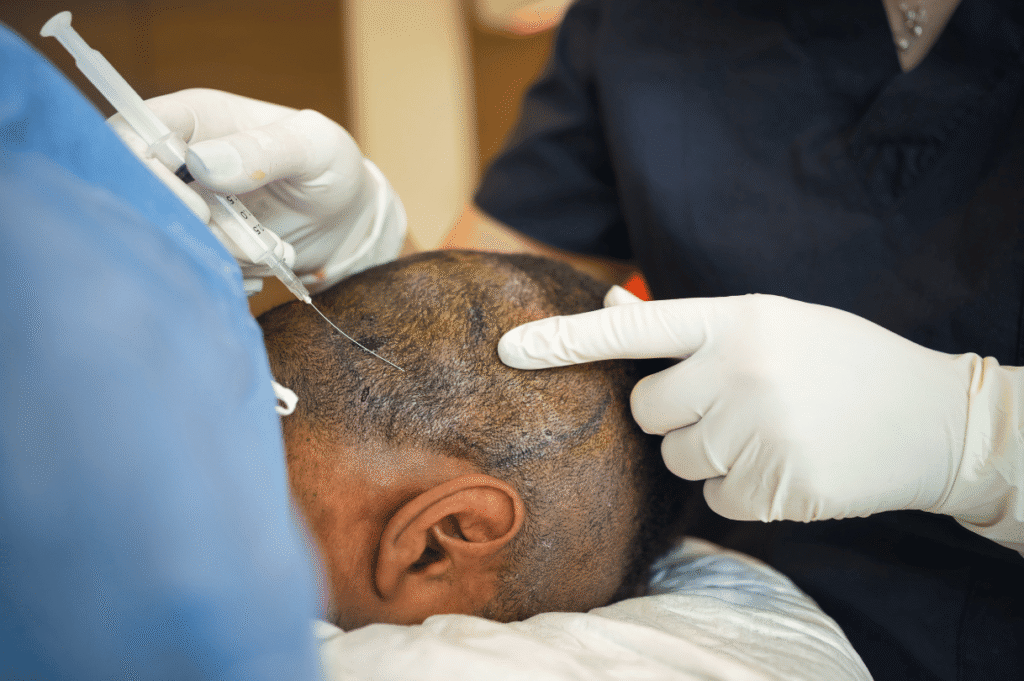
- To explore is non-surgical hair restoration techniques. These include laser therapy, platelet-rich plasma (PRP) therapy, and microneedling. Laser therapy involves using low-level laser light to stimulate hair growth, while PRP therapy involves injecting your own platelet-rich plasma into the scalp to promote hair growth. Microneedling, on the other hand, involves using tiny needles to create microchannels in the scalp, which can stimulate hair follicles.
- Cosmetic solutions such as wigs, hairpieces, and hair fibers can be temporary alternatives to a hair transplant. These options can provide immediate results and help you achieve a fuller head of hair while exploring other long-term solutions.
Exploring alternatives to a hair transplant allows you to weigh your options and find the solution that best suits your needs and preferences.
Ultimately, the best way to assess your eligibility for a hair transplant is to consult with a qualified hair transplant surgeon. They will evaluate your specific case and provide personalized advice based on their expertise and experience. Remember, the goal is to achieve the best possible results while ensuring your safety and well-being.
Ready to talk to a doctor about it?
Book on WhatsApp