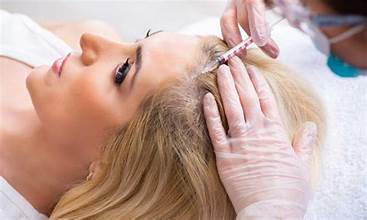
How to avoid infections after a hair transplant infection
How to avoid infections after a hair transplant infection
If you have undergone a hair transplant and want to avoid infections or if you suspect you have an infection after the procedure, here are some steps you can take:
-
Follow post-operative care instructions: It is crucial to adhere to the specific instructions provided by your hair transplant surgeon. These instructions typically include guidelines on how to clean and care for the transplanted area. Make sure to follow them diligently to minimize the risk of infection.
-
Keep the area clean: Gently clean the transplanted area as per the instructions provided by your surgeon. Usually, this involves using a gentle cleanser and water to keep the area clean and free from bacteria. Avoid using harsh soaps or rubbing the area vigorously, as this can irritate the skin and potentially lead to infections.
-
Avoid touching or scratching the area: It is important to avoid touching or scratching the transplanted area, as this can introduce bacteria and increase the risk of infection. If you need to touch the area for cleaning purposes, make sure your hands are thoroughly washed and sanitized.
-
Avoid exposure to dirty or contaminated environments: Stay away from dusty, dirty, or contaminated environments that may increase the risk of infection. This includes avoiding swimming pools, hot tubs, or any other sources of potentially contaminated water. It’s best to consult your surgeon about the appropriate time frame for resuming these activities.
-
Take prescribed medications: If your surgeon has prescribed any antibiotics or other medications to prevent or treat infections, make sure to take them as instructed. Finish the full course of antibiotics even if you start feeling better, as this will help ensure that any potential infection is fully eradicated.
-
Avoid excessive sweating: Sweating excessively can increase the chances of bacterial growth and infection. During the healing process, try to avoid activities that may lead to excessive sweating, such as intense workouts or spending too much time in hot and humid environments.
-
Maintain a healthy lifestyle: A strong immune system can help prevent infections. Focus on maintaining a healthy lifestyle by getting adequate rest, eating a balanced diet, staying hydrated, and managing stress levels.
-
Monitor for signs of infection: Keep a close eye on the transplanted area for any signs of infection, such as increased redness, swelling, pain, warmth, pus, or foul odor. If you notice any concerning symptoms, contact your surgeon immediately for further evaluation and appropriate treatment.
Remember, these steps are general guidelines, and it’s essential to consult with your hair transplant surgeon for specific instructions tailored to your situation. They will provide you with the most accurate advice based on their knowledge of your procedure and individual circumstances.
Consider the following lifestyle factors:
a) Balanced Diet:
Consume a well-rounded diet rich in vitamins, minerals, and antioxidants to nourish your body. Incorporate foods that promote hair health, such as fruits, vegetables, lean proteins, and healthy fats.
b) Hydration:
Drinking water is a must for your body to work on the process of healing, so it should be taken in plenty. water can also help in hair transplant healing as well as others.
c) Avoid Smoking and Alcohol:
Smoking and excessive alcohol consumption can impair the body’s ability to heal and increase the risk of complications. It’s advisable to refrain from smoking and limit alcohol intake during the recovery period.
Conclusion
Preventing infections after a hair transplant is crucial for achieving successful and long-lasting results. By following post-operative instructions, maintaining proper hygiene, protecting the transplanted area from external factors, and adopting a healthy lifestyle, you can minimize the risk of infections and nurture your new look effectively. Remember, your hair transplant journey is an investment in yourself, and prioritizing aftercare will ensure that you enjoy the full benefits of your procedure, with a head of hair that looks natural, healthy, and vibrant.
Not sure if this treatment is right for you? Ask Dr. Zain Latif’s team.
Ready to talk to a doctor about it?
Book on WhatsAppTags: How to avoid infections after a hair transplant infection